
The latest numbers from the Reagan National Defense Survey show that Americans are becoming more invested in Ukraine’s war with Russia. Sixty-four percent now support sending weapons to Ukraine, a notable rise from last year. That includes 59% of Republicans, up from 44% in 2024. This shift is important, but it needs to be viewed through a clear lens: endless war is not a national security strategy. President Trump understands this better than anyone in Washington. That’s why his administration is working tirelessly to end this war through negotiation—not by writing blank checks to Europe.
The war in Ukraine has now dragged on for nearly four years. It’s the bloodiest conflict in Europe since World War II. The Biden administration, before it was voted out, treated Ukraine like a proxy battlefield, pouring in American weapons without a clear endgame. That approach only prolonged the war and put the United States on a dangerous path toward direct confrontation with Russia, a nuclear power. President Trump has taken a different route—pressing for diplomacy and peace while keeping America’s interests front and center.
We should be honest about what’s really happening here. The globalist foreign policy machine—backed by defense contractors and D.C. think tanks—wants to keep this war going. That’s why they’re pushing for more weapons, more military aid, and even deeper U.S. involvement. They talk about defending “democracy” in Ukraine, but what they’re really doing is risking American lives and treasure in a war where we have no treaty obligation and limited strategic benefit.
Yes, Russia is a threat, but it is not the primary threat. The same Reagan survey shows that 48% of Americans correctly identify China—not Russia—as the greatest threat to our country. That’s where our focus should be. China is building its military, threatening Taiwan, stealing American technology, and undermining our economy. Yet we’re spending tens of billions trying to redraw borders in Eastern Europe.
What’s worse, much of this money is going to European defense. Sixty-eight percent of Americans support selling weapons to European countries so they can send them to Ukraine. But why should we keep carrying Europe’s security burden? NATO was created for collective defense, yet most European nations still fall short of their defense spending commitments. President Trump has long called out this imbalance, and he’s right. America should not be the world’s policeman, especially when our own southern border is wide open.
The survey also shows strong support for giving Ukraine long-range cruise missiles—like Tomahawks—that could strike inside Russia. That’s a dangerous move. Giving Ukraine the ability to hit deep into Russian territory risks turning this into a broader war. If Ukraine uses American weapons to strike Moscow or other key targets, it could provoke a direct Russian response. That’s how world wars begin.
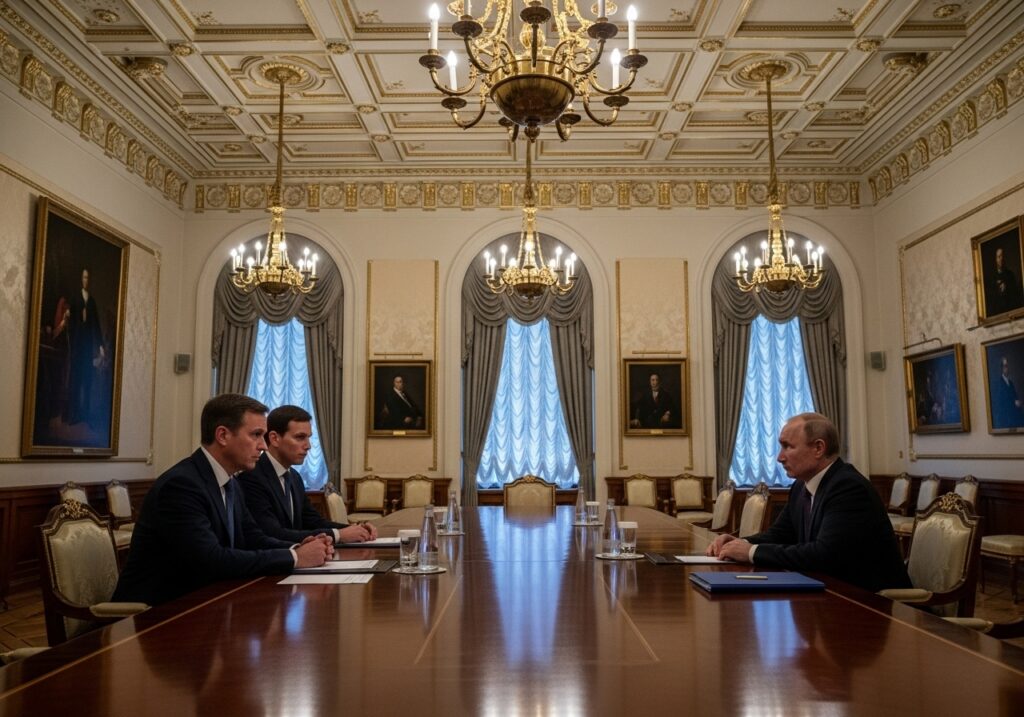
Meanwhile, President Trump’s team is working behind the scenes to bring this war to a close. His special envoy, Steve Witkoff, and senior advisor Jared Kushner recently met with Vladimir Putin in Moscow to discuss terms. The fact that talks are happening at the highest levels is encouraging. Ukraine’s president may not like that strategy, but the reality is simple: the longer this war drags on, the more Ukrainian lives are lost. Negotiation is not weakness—it’s wisdom.
The American people are rightly concerned about national security, but we need to be smart about where we invest our power and influence. Supporting Ukraine’s self-defense is one thing. Funding a perpetual war with no clear end is another. President Trump is taking a measured approach—pushing for peace while defending U.S. interests. That’s real leadership.
We are at a crossroads. We can either continue down the path of endless foreign entanglements, or we can return to a policy of peace through strength. The choice should be clear. It’s time to put America first, secure peace where we can, and prepare for the real threats ahead—especially from Communist China.