
America doesn’t lose wars—we run out of ammunition while bureaucrats hold strategy meetings.
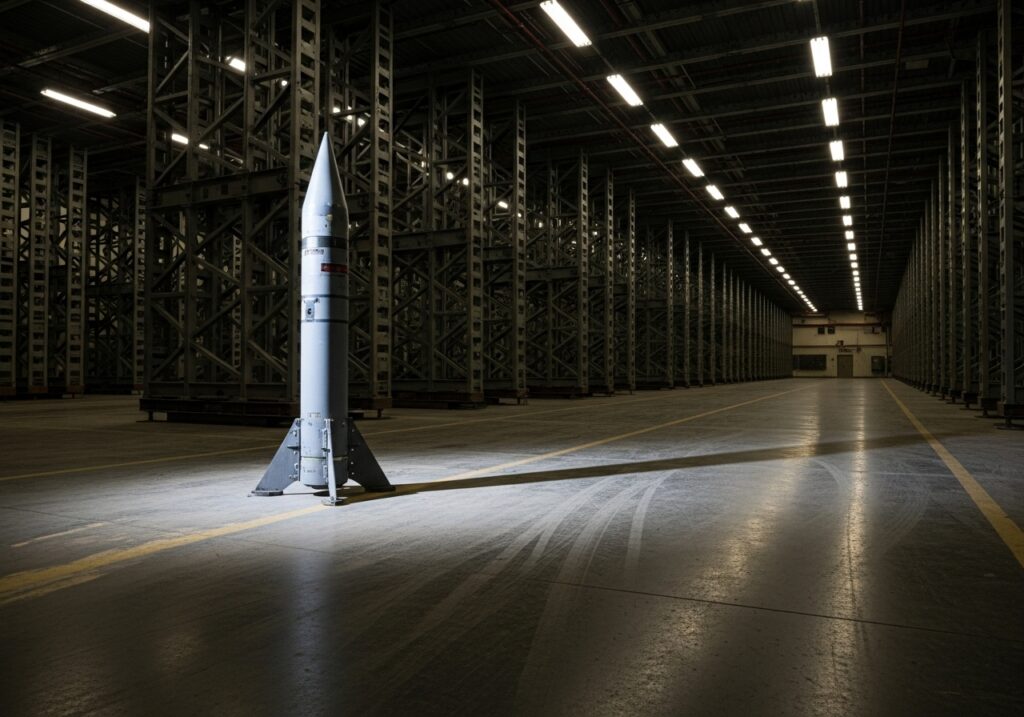
That’s exactly the warning flashing red from a recent report detailing the dangerously depleted missile interceptor stockpiles in both the United States and Israel. After a 12-day firefight with Iran, involving the launch of over 570 ballistic missiles toward Israel and the Al Udeid Air Base in Qatar, both nations are facing a critical shortage of the very tools that kept those missiles from turning cities into craters.
Let’s be crystal clear: this isn’t just a logistical issue. It’s a matter of national survival.
According to a Jewish-American national security group, the cost of this engagement clocked in at roughly $1.5 billion. But the real price wasn’t just financial—it was strategic. The U.S. reportedly started with 632 Terminal High Altitude Area Defense (THAAD) interceptors before the conflict. Post-conflict, we’re left with only about 540. That might sound like a decent number on the surface, until you realize that replenishing those 90-or-so interceptors could take anywhere from three to eight years at current production rates.
Three to eight years? That’s not a weapons delay—that’s a national security time bomb.
And let’s not forget the Patriots. Two Patriot batteries used roughly 30 interceptors during the battle. Do the math: that’s 15 per battery in under two weeks. How many Patriot interceptors do we have on hand globally? How many are forward-deployed to defend U.S. assets in the Pacific, Europe, or the Middle East? The Pentagon isn’t saying—and that silence is deafening.
The report also reveals that Iran used up between one-third and one-half of its entire ballistic missile arsenal in that single operation. That’s significant, but it’s not cause for celebration. If the Islamic regime was willing to burn through that kind of firepower, it’s a sign they’ve moved past saber-rattling into full-scale strategic aggression. And if Iran restocks faster than we do, what does that say about American deterrence?
Here’s the brutal truth: our enemies are watching. They saw how much it cost America and Israel to defend against that barrage. They saw that our high-tech, high-cost missile interceptors are being used up faster than we can replace them. And they’re calculating just how long it’ll take before we can’t defend ourselves at all.
Lt. Gen. Thomas Bergeson hit the nail on the head when he called for more “non-kinetic” defense systems—things like electronic warfare or directed-energy weapons that don’t rely on $10 million missiles to shoot down $1 million threats. That’s the direction we must go, and fast. But innovation takes time, and time is the one thing we’re running out of.
There’s no excuse for our current vulnerability. Under President Trump, rebuilding the U.S. military isn’t a campaign slogan—it’s a priority. But that mission is being undercut by a defense bureaucracy still bogged down in peacetime procurement processes. We need a wartime posture, not a peacetime pace. That means ramping up production, fast-tracking development, and securing reliable stockpiles—not just for the next fight, but for the one after that.
This isn’t just about Israel, or the Middle East. If we can’t defend our allies, we can’t project strength. And if we can’t project strength, we invite confrontation. It’s that simple.
Defense analysts are still crunching the numbers, but the takeaway is already obvious: America must never find itself in a position where our defense hinges on whether a contractor can meet a quarterly quota. We must produce, prepare, and prevail—before the next missile is in the air.
Weakness invites war. Readiness prevents it.