
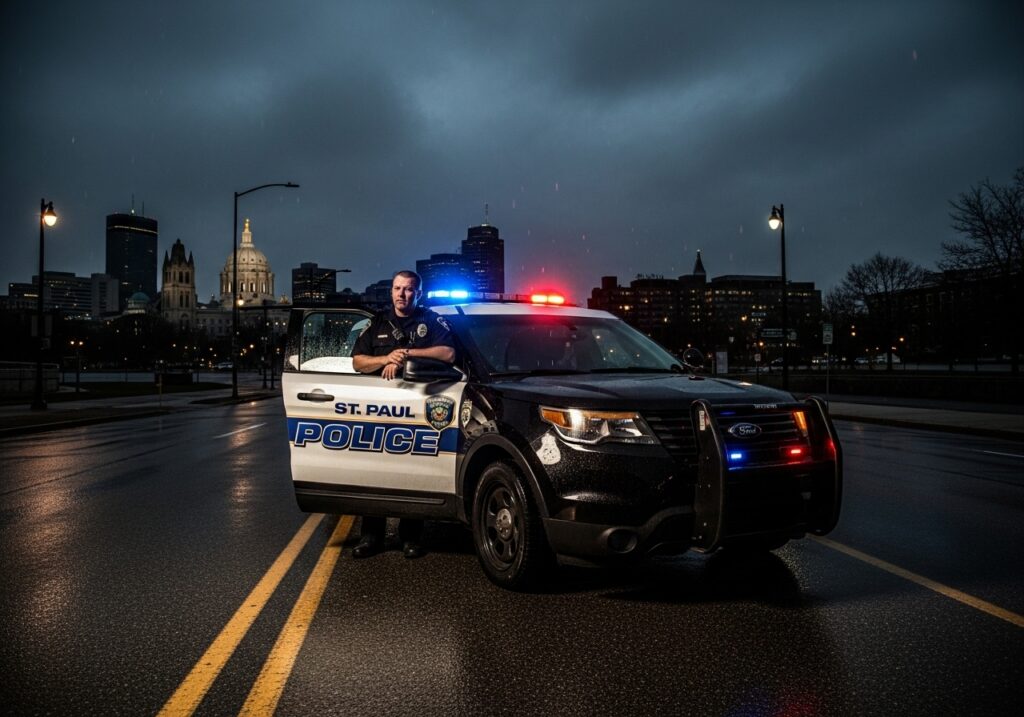
Minnesota is facing a growing crisis in public safety, and it’s not just a local issue—it has serious implications for national security and the safety of American communities. Police officers across the state are warning that they are critically understaffed and underfunded, even as violent crime remains stubbornly high. The problem is being made worse by political decisions that have left law enforcement without the resources they need to protect citizens.
Since 2020, Minnesota has seen a sharp decline in police staffing. St. Paul alone is down more than 100 officers, and statewide, the shortfall is estimated to be around 1,000 officers. Over the next few years, that number could grow to 2,500. These aren’t just numbers. Fewer officers on the street means slower response times, fewer patrols, and higher risk to everyday citizens. The burden falls on the remaining officers, who are expected to do more with less.
The thinning ranks come as violent crime remains a serious concern. In 2024, Minnesota recorded 170 murders, with nearly 75% involving firearms. Carjackings rose more than 5%, and rapes were up over 5% compared to the previous year. Assaults on police officers increased as well, showing that even the men and women in uniform are not safe. And these are only the numbers we know. Experts warn that many crimes go unreported, and some departments are no longer sharing their statistics with the FBI, making it harder to understand the full picture.
Behind the scenes, a deeper issue is also draining resources—fraud. A massive scandal has rocked Minnesota, where hundreds of millions in taxpayer funds were reportedly stolen. Some of that money is even believed to have ended up in the hands of Al-Shabaab, a terrorist group based in Somalia. While the governor’s office claims the fraud didn’t impact police funding because the stolen money came from federally backed programs like Medicaid, local police leaders strongly disagree. They argue that all public funds come from the same pool—taxpayer dollars—and when that pool is looted, there’s less left for essential services like law enforcement.
The consequences of these funding decisions are not just felt in Minnesota. Weak law enforcement in one part of the country can create ripple effects nationwide. Terrorist groups and organized crime networks look for soft spots—places where oversight is weak and police are overwhelmed. If Minnesota becomes a place where criminals feel they can operate with less risk, that puts the entire Midwest—and the nation—at risk.
Even more troubling is the fear felt by officers themselves. Many now worry more about political backlash than about violent criminals. In today’s climate, police officers fear being prosecuted for doing their jobs, even when they follow all the rules. This fear discourages good people from entering the profession. As a result, departments struggle to recruit new officers. The hiring pool is shrinking, and top candidates are walking away before they ever apply.
This crisis is not just about crime statistics. It’s about the breakdown of public trust, the weakening of local institutions, and the erosion of law and order. If we want safe communities, we need strong police forces. That requires consistent funding, clear leadership, and support from elected officials who value the role of law enforcement.
At the national level, this also raises questions about how federal dollars are being watched and how security risks like terror financing are being addressed. When hundreds of millions go missing and some of it ends up in the hands of enemies of the United States, that’s not just a local scandal—it’s a national security threat.
America cannot afford to let political ideology get in the way of public safety. We must support our police, ensure taxpayer dollars are protected, and hold leaders accountable when they fail to do either. This isn’t just about Minnesota. It’s about the kind of country we want to live in—one where the rule of law still means something and where our communities remain safe.