
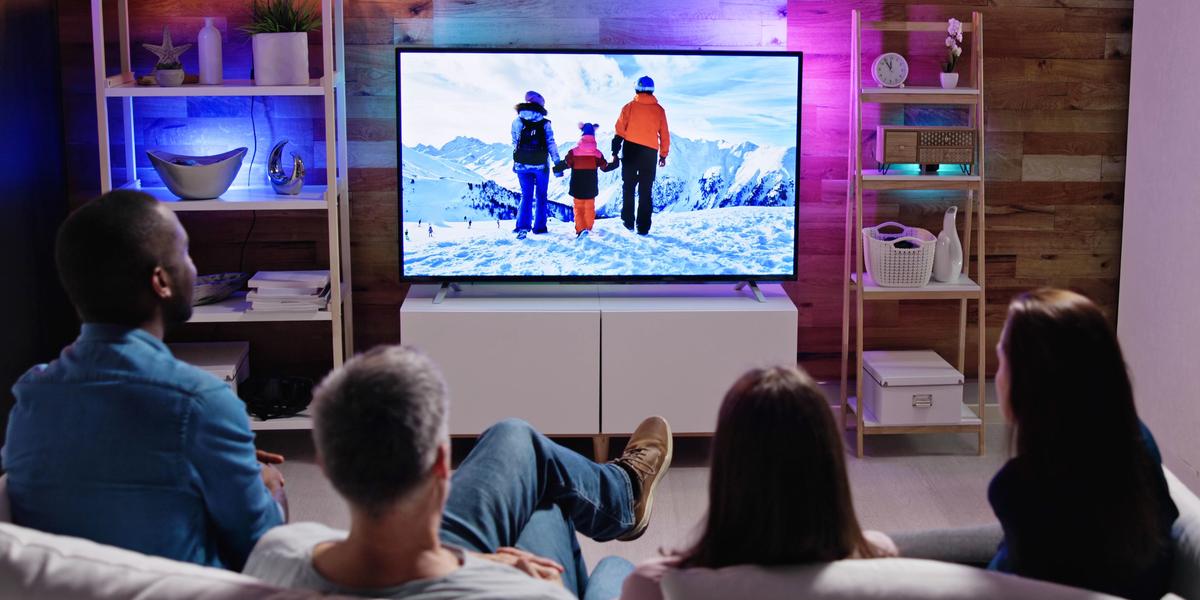
Your television is watching you.
Every 500 milliseconds — twice per second — your TV is taking screenshots of whatever’s on your screen. It’s recording what you watch, when you watch it, and for how long. And it’s sending all that information back to the manufacturer.
Texas Attorney General Ken Paxton just filed lawsuits against Sony, Samsung, LG, Hisense, and TCL, accusing them of running what he calls “an uninvited, invisible digital invader” in tens of millions of American homes.
“When families buy a television, they don’t expect it to spy on them,” the lawsuit states. “They don’t expect their viewing habits packaged and auctioned to advertisers.”
And yet, that’s exactly what’s happening.
The Technology Hidden in Your Living Room
The tool is called Automated Content Recognition (ACR). It’s built into most smart TVs sold today.
Here’s how it works: The software continuously monitors what’s displayed on your screen. It captures images, identifies the content, and logs your viewing habits in real-time. Every show. Every movie. Every news broadcast. Every video game. Everything.
That data gets transmitted back to the TV manufacturer. Then it gets packaged and sold — to advertisers, to data brokers, to whoever’s willing to pay.
You didn’t consent to this. Most people don’t even know it’s happening.
Paxton’s lawsuits allege this data collection is happening “without the knowledge or consent of users.” The companies buried it in terms of service agreements nobody reads, or enabled it by default without clear disclosure.
Screenshots Every 500 Milliseconds — Including Your Private Information
Here’s where it gets genuinely alarming.
ACR doesn’t just identify TV shows. It takes screenshots of your entire display. Twice per second.
Think about what appears on your TV screen besides Netflix.
Video calls where you discuss private matters. Banking apps if you use your TV for financial management. Passwords you type when logging into streaming services. Personal photos if you display them on your screen. Medical information if you use health apps.
All of it, potentially captured and transmitted to companies that have no business seeing it.
Paxton emphasized the security risk: “The fundamental right to privacy will be protected in Texas because owning a television does not mean surrendering your personal information to Big Tech or foreign adversaries.”
Two of These Companies Have Chinese Communist Party Ties
That “foreign adversaries” line isn’t throwaway rhetoric.
Two of the five companies being sued — Hisense and TCL — have documented ties to the Chinese Communist Party.
Paxton was explicit about this concern: “Companies, especially those connected to the Chinese Communist Party, have no business illegally recording Americans’ devices inside their own homes.”
Think about the national security implications.
Chinese-linked companies have surveillance technology in millions of American homes. That technology can identify what news you watch, what political content you consume, what your viewing habits reveal about your beliefs and preferences.
That’s not just an advertising concern. That’s an intelligence goldmine for a hostile foreign power.
And Americans have been inviting this surveillance into their living rooms voluntarily, without any idea it was happening.
40 Million TVs Sold Every Year — 70% From These Brands
The scale of this problem is staggering.
Approximately 40 million televisions are sold in America every year. The five brands named in Paxton’s lawsuit — Sony, Samsung, LG, Hisense, and TCL — account for nearly 70 percent of what Americans buy.
That means the vast majority of new TVs entering American homes have this surveillance technology built in.
If you bought a smart TV in the last few years, there’s a good chance it’s tracking your viewing habits right now. Sending data to the manufacturer. Potentially exposing your private information.
And you probably agreed to it without knowing — buried somewhere in the 50-page terms of service that nobody reads before clicking “Accept.”
“Invasive, Deceptive, and Unlawful”
Paxton isn’t mincing words about how he views these practices.
“This conduct is invasive, deceptive, and unlawful.”
The lawsuits allege violations of Texas privacy laws, which require companies to obtain meaningful consent before collecting personal data. The argument is that hiding surveillance capabilities in fine print doesn’t constitute real consent.
If Texas prevails, the precedent could reshape how TV manufacturers operate nationwide. Other states with strong privacy laws might follow with their own actions.
The TV industry has been treating user data as a free resource — something they can harvest without meaningful permission and monetize however they want. These lawsuits challenge that entire model.
The Industry’s Defense Will Be Predictable
We can already guess how the TV companies will respond.
“Users agreed to our terms of service.” (Which nobody reads.)
“ACR technology provides benefits like personalized recommendations.” (That nobody asked for.)
“Users can opt out if they want to.” (If they can find the setting buried in seventeen menu layers.)
“We take privacy seriously and protect user data.” (While selling it to advertisers.)
These are the same defenses Big Tech always offers. They’ve worked in the past because nobody was paying attention.
Ken Paxton is paying attention. And he has subpoena power.
What You Can Do Right Now
If you own a smart TV, here’s the uncomfortable truth: It’s probably tracking you.
Most manufacturers include an option to disable ACR somewhere in the settings. Finding it isn’t easy — they don’t exactly advertise the surveillance they’re conducting — but it usually exists.
For Samsung: Settings > Privacy > Privacy Choices > Viewing Information Services (disable)
For LG: Settings > All Settings > General > Live Plus (disable)
For Sony, Hisense, and TCL: Similar options exist, though menus vary by model.
You can also disconnect your TV from the internet entirely if you use separate streaming devices. A “dumb” TV that only receives input from a Roku or Apple TV doesn’t have the same surveillance capabilities.
But you shouldn’t have to do any of this. You shouldn’t have to be a privacy expert to watch television without being monitored.
Texas Is Fighting Back — Will Anyone Else?
Ken Paxton has built a reputation for taking on Big Tech when other attorneys general won’t.
He’s sued Google, Facebook, and other major platforms over privacy violations and anticompetitive practices. He doesn’t back down from fights with companies that have deeper pockets than most countries.
These TV lawsuits follow the same pattern. Going after major manufacturers, alleging systemic privacy violations, seeking to establish precedents that protect consumers.
If Texas wins, other states will likely follow. If Texas loses, the TV surveillance continues — probably expanding as companies face no consequences for treating your living room as a data collection center.
Your TV Isn’t Just Entertainment Anymore
For most of human history, television was a one-way technology. Broadcasters sent signals out. You received them. The TV couldn’t see you.
That’s no longer true.
Your smart TV is a two-way surveillance device. It watches what you watch. It listens if voice controls are enabled. It transmits data about your behavior to companies and governments you’ve never heard of.
And until Ken Paxton filed these lawsuits, almost nobody was doing anything about it.
“Owning a television does not mean surrendering your personal information to Big Tech or foreign adversaries.”
That should be obvious. The fact that it needs to be litigated tells you everything about where we are.